
7 min read / Updated 2026-05-08
Prepared by the AutoRepairDiagram catalog team
Low Beam Not Working? Headlight Wiring Diagram Checks Before Replacing Parts
A step-by-step headlight circuit workflow covering fuses, relays, BCM control, ground points, connector heat damage, and left-right comparison tests.
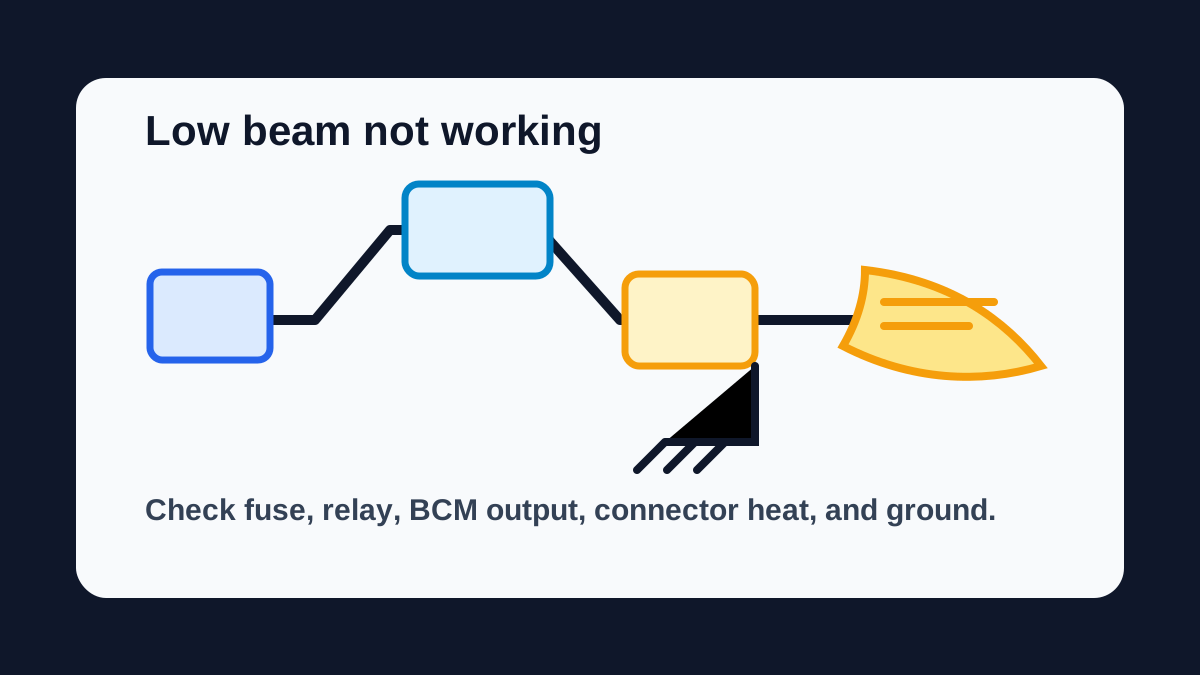
Compare left and right before replacing parts
If only one low beam is out, compare the working side and failed side. The diagram shows whether each lamp has separate fuses, shared relays, separate grounds, or BCM-controlled outputs.
A bulb can fail, but so can a connector, ground, fuse, module driver, or harness section. The diagram helps choose the fastest comparison point.
Know whether the BCM controls the lamp
Many modern vehicles do not route headlight current directly through a simple switch. The switch may send a signal to a body control module, and the module controls relays or lamp outputs.
If the diagram shows BCM control, testing only the dashboard switch will not prove the lamp circuit. Verify command, output, power feed, and ground path in the correct order.
Inspect connector heat damage
Headlight connectors can overheat from high resistance, loose terminals, moisture, wrong bulb wattage, or previous repairs. A wiring diagram helps identify which terminal should carry power and which should carry ground.
Voltage can appear normal with no load, then drop when the lamp is connected. Load testing and voltage-drop testing are more useful than a simple open-circuit voltage check.
Ground faults can affect brightness
A weak ground may cause dim light, backfeeding, warning messages, or multiple exterior lamp symptoms. The diagram shows whether the lamp ground is shared with marker lights, turn signals, or other front-end circuits.
If several lights on one side behave strangely, test the shared ground point under load before replacing a headlight assembly.
Questions buyers ask
Why does the high beam work but low beam does not?
High and low beam often use different fuses, relay paths, module outputs, or bulb filaments. The diagram shows where the circuits split.
Can a bad ground make one headlight dim?
Yes. A high-resistance ground can reduce brightness or cause backfeeding through other lamp circuits.